


Document Actions


Exploratory pollen and starch analysis at the Cloudman site, Michigan shows evidence for maize (Zea mays) cultivation and wild rice (Zizania palustris) gathering from Early Late-Woodland to historic times
Horrocks M, Geiger E. 2026. New Zealand Journal of Botany 64, e70170.
Abstract
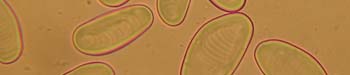
Here we report exploratory pollen (and spores) and starch analyses of soils/sediments from the Cloudman site, encompassing the Early Late-Woodland (AD 500/600-1000) to modern times. Pollen results reflect the regional Late Holocene vegetation dominated by the Pinaceae, with angiosperm forest trees less represented. Consistently moderate amounts of grass (Poaceae) pollen in many samples reflect the local alvar vegetation, and charcoal particles, Taraxacum-type pollen, and bracken (Pteridium aquilinum) spores also in many samples suggest vegetation fires set by people.Results include maize (Zea mays) pollen, possible maize starch grains, and possible wild rice (Zizania palustris) starch grains (a first), providing tentative evidence for cultivation and plant gathering at the site since at least the Early Late-Woodland, supporting the previous, ceramic residue evidence for local plant use. Other pollen types reflect the local wetland environment. The microfossil analysis suggests that the environmental conditions remained relatively stable over the c. 1000-year span of this period.


